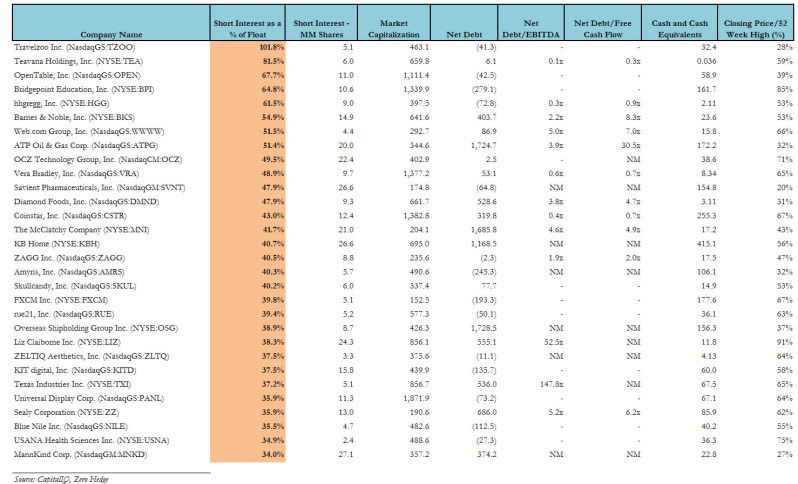
This write-up is based on a Seeking Alpha article I read by Paulo Santos. He hit the nail right on the head with his analysis, and today’s 29% drop can be explained by his investment proposal.
First, we have to ask, what is TVIX?
TVIX is an Exchange-traded note (ETN), a debt security issued by an underwriting bank that tracks a particular benchmark/strategy. In this case, the bank is Credit Suisse and the benchmark is 2x the VIX. TVIX is meant to be a short term holding, as if you read the prospectus, you come across this statement:
“As explained in “Risk Factors” in this pricing supplement, because of the way in which the Closing Indicative Value of the ETNs and the underlying Indices are calculated, the amount payable at maturity or upon redemption or acceleration is likely to be less than the initial principal amount of the ETNs, and you are likely to lose part or all of your initial investment. In almost any potential scenario the Closing Indicative Value (as defined below) of your ETNs is likely to be close to zero after 20 years and we do not intend or expect any investor to hold the ETNs from inception to maturity.”
An ETN usually tracks closely to its Net Asset Value (NAV), the value of the underlying futures that the issuer holds (though the ETN doesn’t own it). The catalyst to the break in TVIX not tracking its NAV was Credit Suisse’s suspension of issuing new units of TVIX. This breaks the no-arbitrage rule, as the supply is gone. The usual supply is from the issuer (Credit Suisse), when it issues the shares at NAV and collects fees, Authorized Participants (AP’s) then make money by selling it at market prices when they’ve created it at NAV cost. They keep selling until the market price tracks closely to NAV again (re-establishing no-arbitrage).
However, when there are no shares to be sold, then the ETN trades like a closed-end fund. A closed-end fund usually trades at a huge premium to NAV due to the difficulty of finding shares to borrow. Paulo noticed/mentioned this when the premium was 18.3% greater than the underlying. Before it reverted back towards NAV levels today, the premium had gotten close to 80%.
The reversion could probably be due to people becoming aware of the mispricing, leaked information about new issuances, hedge funds wanting to take profits, etc. Lots of reasons on why it could revert, it was only a matter of time before it would.
In the future, when you are considering trading in ETFs/ETNs, be sure to read the prospectus and take a look at the underlying.
TVIX Prospectus:
Here's a nice picture mapping TVIX to it's intrinsic value (NAV):